
March 27, 20254 min readUpdated May 10, 2026
The Human Touch in CRM: Klarna CEO on AI's Limitations
Klarna's CEO emphasizes the irreplaceable human element in CRM, highlighting AI's limitations and the importance of genuine customer connection.
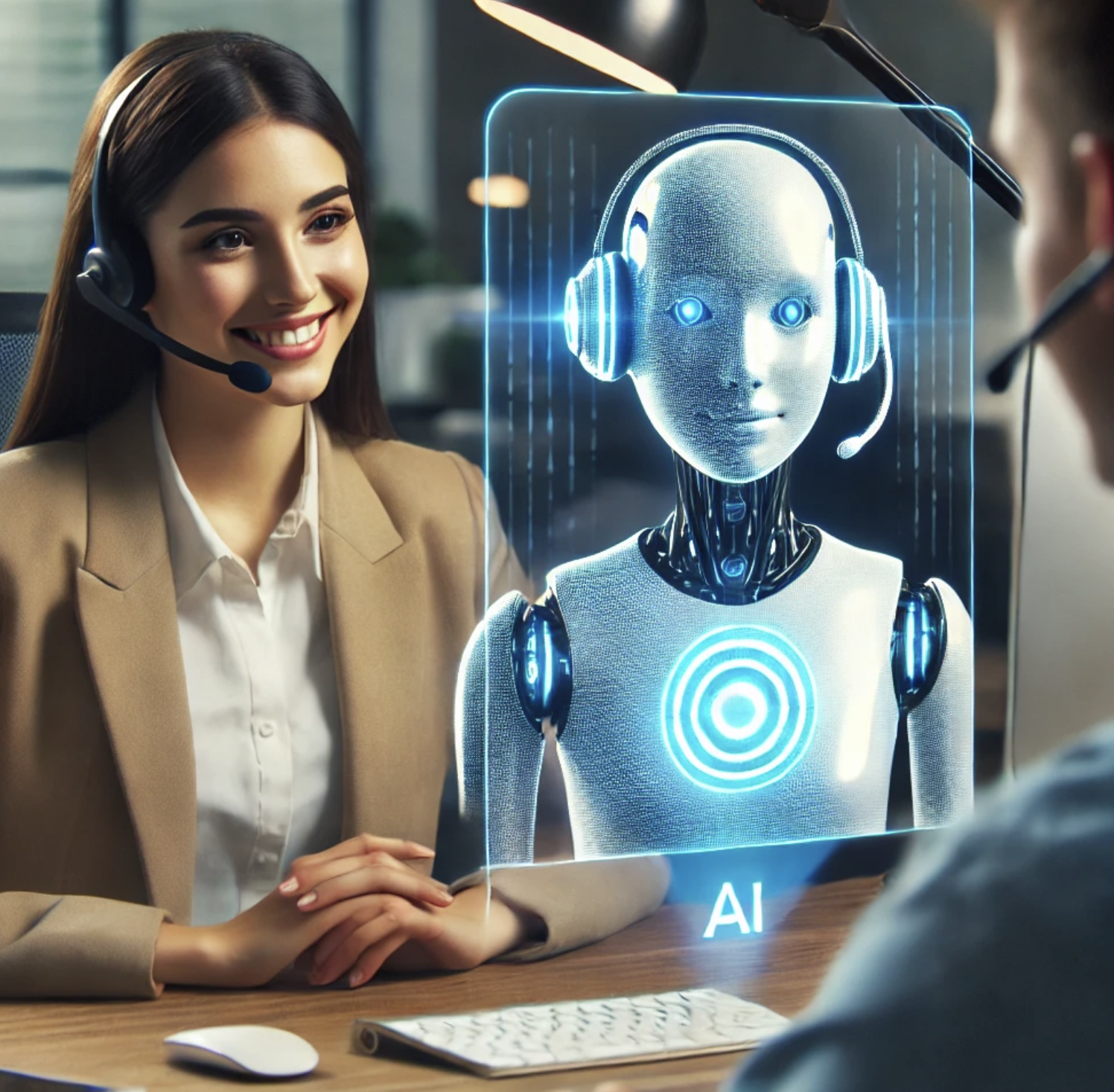
Few subjects in the quickly changing field of enterprise technology arouse as much interest and conjecture as the possibility that artificial intelligence may transform commercial software. Sebastian Siemiatkowski, the CEO of Klarna, is at the heart of this discussion because of his recent strategic actions that have caused a stir in the tech sector. His viewpoint on AI in CRM replacement contradicts the popular narrative of AI's complete dominance by providing a nuanced and provocative viewpoint.

The Changing Landscape of Enterprise Software: Klarna's Bold Strategic Shift
When Klarna made the groundbreaking decision to move away from Salesforce and develop an in-house AI system, it wasn't just another corporate tech upgrade. This was a calculated move that highlighted the growing tension between traditional CRM platforms and emerging AI technologies. Siemiatkowski's approach represents a pivotal moment in the ongoing AI business software debate, demonstrating that the future of enterprise technology is far more complex than simple replacement narratives.
Understanding Klarna's Technological Transformation
The journey began with a critical assessment of Klarna's existing technological infrastructure. Rather than accepting off-the-shelf solutions, Siemiatkowski and his team opted for a radical in-house AI system approach. They consolidated data from various SaaS systems into their own tech stack, utilizing Neo4j's powerful graph database. This strategic decision allowed Klarna to create a tailored AI solution that could handle their specific business needs without relying on external platforms like OpenAI.
The financial implications were significant. By eliminating 700 contract positions and developing an internal system, Klarna achieved annual savings of approximately $40 million. But this wasn't just about cutting costs—it was a fundamental rethinking of how enterprise software could be approached.
Why AI Won't Completely Replace Salesforce: A Deeper Look
Contrary to the hype surrounding AI, Siemiatkowski remains skeptical that other companies will readily abandon established CRM systems like Salesforce. His reasoning goes beyond simple technological considerations and delves into the complex realities of enterprise software deployment.
The Complexity of Customer Relationship Management
Customer relationship management is not a simple, one-size-fits-all solution. It requires:
- Deep understanding of specific business processes
- Intricate data integration
- Compliance with various regulatory requirements
- Ability to handle nuanced customer interactions
While AI demonstrates remarkable capabilities, it has yet to fully replicate the comprehensive ecosystem that platforms like Salesforce have developed over decades. The human element remains crucial in interpreting complex customer relationships.
The Build vs. Buy Debate in the Age of AI
Klarna's approach has reignited the long-standing debate between building custom solutions and purchasing off-the-shelf software. Siemiatkowski suggests that most companies will likely continue to choose buying over building, recognizing the immense resources required to develop truly effective in-house AI systems.
Key Considerations in AI Business Software Selection
Companies evaluating AI solutions must consider:
- Total cost of development and maintenance
- Scalability of the solution
- Data privacy and security
- Integration capabilities with existing systems
- Long-term adaptability
Market Trends and Future Predictions
Siemiatkowski predicts a consolidation trend within the SaaS industry rather than a proliferation of independent AI solutions. This perspective challenges the notion that AI will simply replace existing systems. Instead, he sees a future of incremental integration and strategic adaptation.
The Evolution of AI in CRM Technologies
The current landscape suggests that AI will more likely augment existing CRM systems rather than completely replace them. Salesforce itself has been investing heavily in AI capabilities through its Einstein AI platform, demonstrating the potential for coexistence and enhancement rather than outright replacement.
Technical Challenges of AI Implementation
Developing an internal AI system is far from straightforward. Klarna's approach highlighted several critical challenges:
- Data Consolidation: Bringing together information from multiple sources
- Ensuring Data Privacy: Avoiding uploads to external platforms
- Maintaining Compliance: Meeting stringent regulatory requirements
- Creating Scalable Solutions: Developing systems that can grow with the business
Practical Implications for Businesses
For companies considering similar technological transformations, Siemiatkowski's experience offers valuable insights:
- Carefully assess your specific business needs
- Don't rush to replace entire systems without thorough analysis
- Consider hybrid approaches that leverage both existing platforms and AI technologies
- Invest in understanding the technical complexities of AI implementation
The Broader Context of AI in Enterprise Software
While Klarna's approach is innovative, it's not a universal solution. The AI vs. Salesforce debate reveals that enterprise software transformation is nuanced and context-dependent. Each organization must navigate its unique technological landscape.
Salesforce's Response to AI Competition
It's worth noting that Salesforce hasn't been passive in the face of AI advancements. The company has been actively developing AI capabilities, including:
- Einstein AI for predictive analytics
- Enhanced automation tools
- Advanced data integration features
Conclusion: A Balanced Perspective on AI and CRM
Sebastian Siemiatkowski's insights offer a refreshing counterpoint to the AI hype. Rather than viewing artificial intelligence as a magic bullet that will instantly replace existing systems, he advocates for a more measured, strategic approach.
The future of enterprise software lies not in wholesale replacement, but in intelligent integration. AI will continue to transform CRM technologies, but it will do so by working alongside human expertise, not entirely replacing it.
Key Takeaways
- AI is a powerful tool, but not a complete CRM replacement
- Custom solutions require significant resources and expertise
- The human element remains crucial in customer relationship management
- Continuous adaptation is key to technological success